
R18.6m
Expenditure reviewed
Independent verification before construction payments are released. We connect what is claimed and certified to what was authorised, delivered and actually completed on site.
What a CEAM review produces
A contractor claim arrives. The QS certifies part of it. CEAM then tests selected expenditure against documents, commercial terms and physical site evidence — separating what the evidence supports from what remains under exception.
Every exception is referenced, tracked and put to the client for resolution. The payment decision stays with you.
The CEAM control chain
A layer — not a replacement
CEAM does not replace the Quantity Surveyor, Project Manager, Engineer, Accountant or Auditor. It adds an independent expenditure-verification layer around the client's payment decision.
The case for assurance
Between approval and payment, expenditure can leak at every hand-off. Most of it is not dramatic — a duplicated invoice here, an unsupported variation there, a delivery note that never became a delivery.
Leakage does not necessarily mean fraud. Most of it is error, weak control or incomplete evidence. CEAM identifies exceptions and financial exposure rather than automatically labelling a discrepancy as fraud.
The CEAM methodology
To give the paying party better evidence before releasing construction funds.
A risk-based framework covering the full construction expenditure cycle, from procurement through to payment. High-risk and high-value items receive deeper or full verification; the remainder is tested through targeted sampling and analytics — so effort concentrates where money is most at risk.
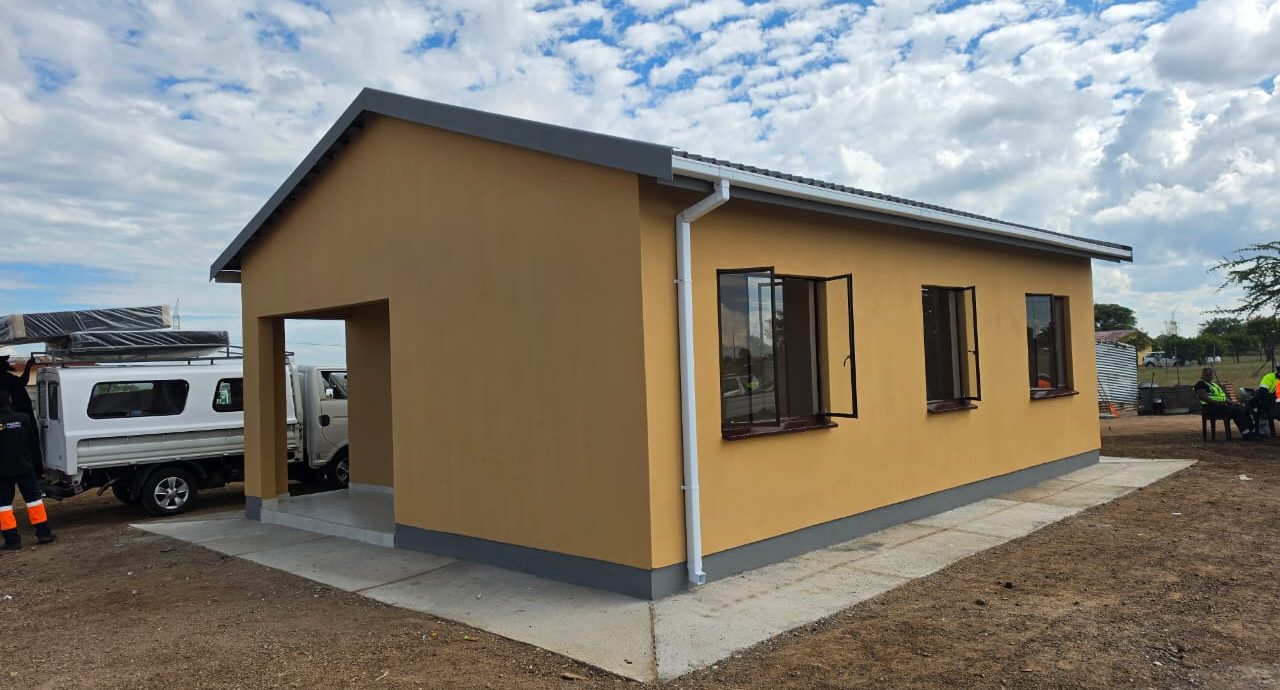
Completed housing unit — the finished asset every certified rand should trace back to, through authorisation, delivery and installation.
How it works
Every certificate, invoice or claim reviewed under CEAM must answer four questions with evidence. An item that cannot satisfactorily answer all four is recorded as an exception for resolution before the client's payment decision.
The four-way match
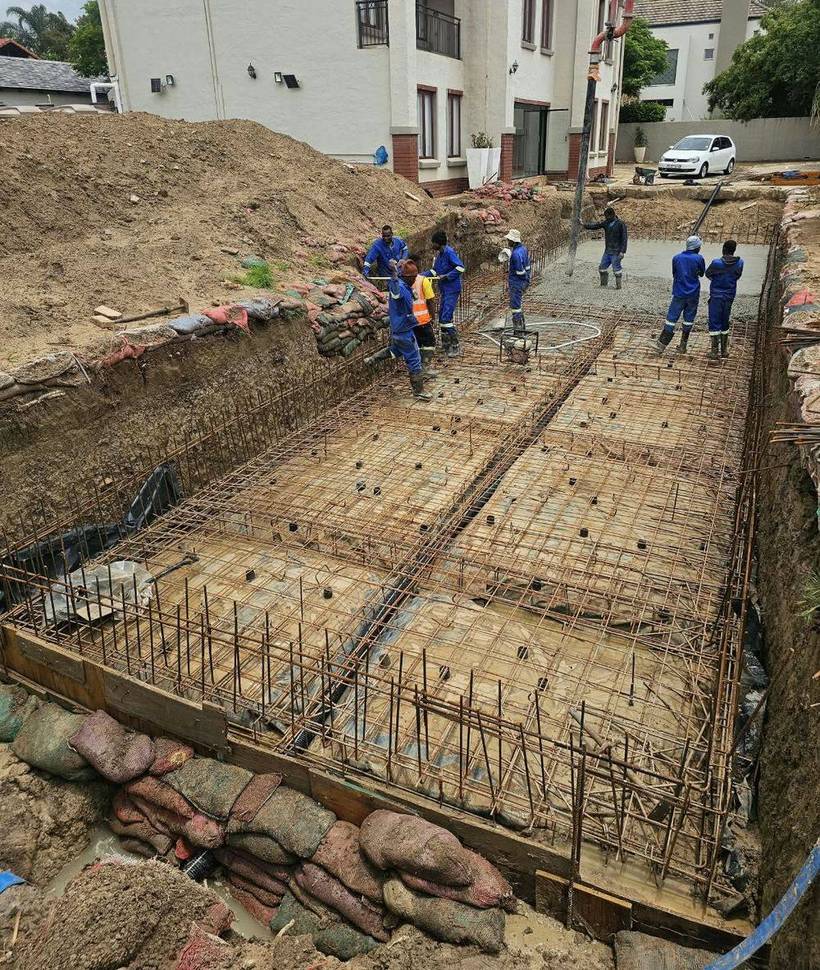
Documents can reconcile to one another and still not reflect what is standing on site. CEAM connects the transaction to physical construction activity — measured, photographed and recorded — the match that document-only controls cannot make.
Payment assurance & reporting
Each review ends in a payment status you can act on. The decision to approve, defer or withhold stays with the client and the authorised professional team — CEAM informs that decision, it never usurps it.
Required evidence obtained and no material unresolved exceptions. Cleared for the client's payment decision.
Clarification or further supporting evidence needed before the amount can be supported.
Significant unsupported expenditure or control failure requiring resolution or escalation.
Monthly executive dashboard
Illustrative exampleThe amount associated with an unresolved exception.
The amount actually removed or reduced from a payment following CEAM review.
Money previously paid that is subsequently recovered.
The exception register
Every exception carries a unique reference, source transaction, control test, evidence gap, financial exposure, risk rating, responsible owner, due date, status, resolution and financial outcome. Nothing found is lost; everything found is tracked to a decision.

Verification happens where the money is spent
Who we serve
CEAM serves whoever carries the financial risk of construction expenditure — and fits the shape of the project.
Independent assurance over contractor claims and variations across the delivery programme.
Draw-down verification and funder reporting before each tranche is released.
Expenditure verification that supports accountability and audit readiness on public projects.
Payment and progress verification for residential schemes and estate developments.
Early warning on leakage, exceptions and exposure across a project portfolio.
An independent verification layer that strengthens — never replaces — the QS, PM and engineer.
Independent construction expenditure oversight supporting governance and stewardship of institution-, donor- and member-funded capital projects — churches, schools, universities, NGOs and similar organisations.
Recognising the need
Independent assurance becomes particularly valuable when construction expenditure is becoming difficult to see, test or control.
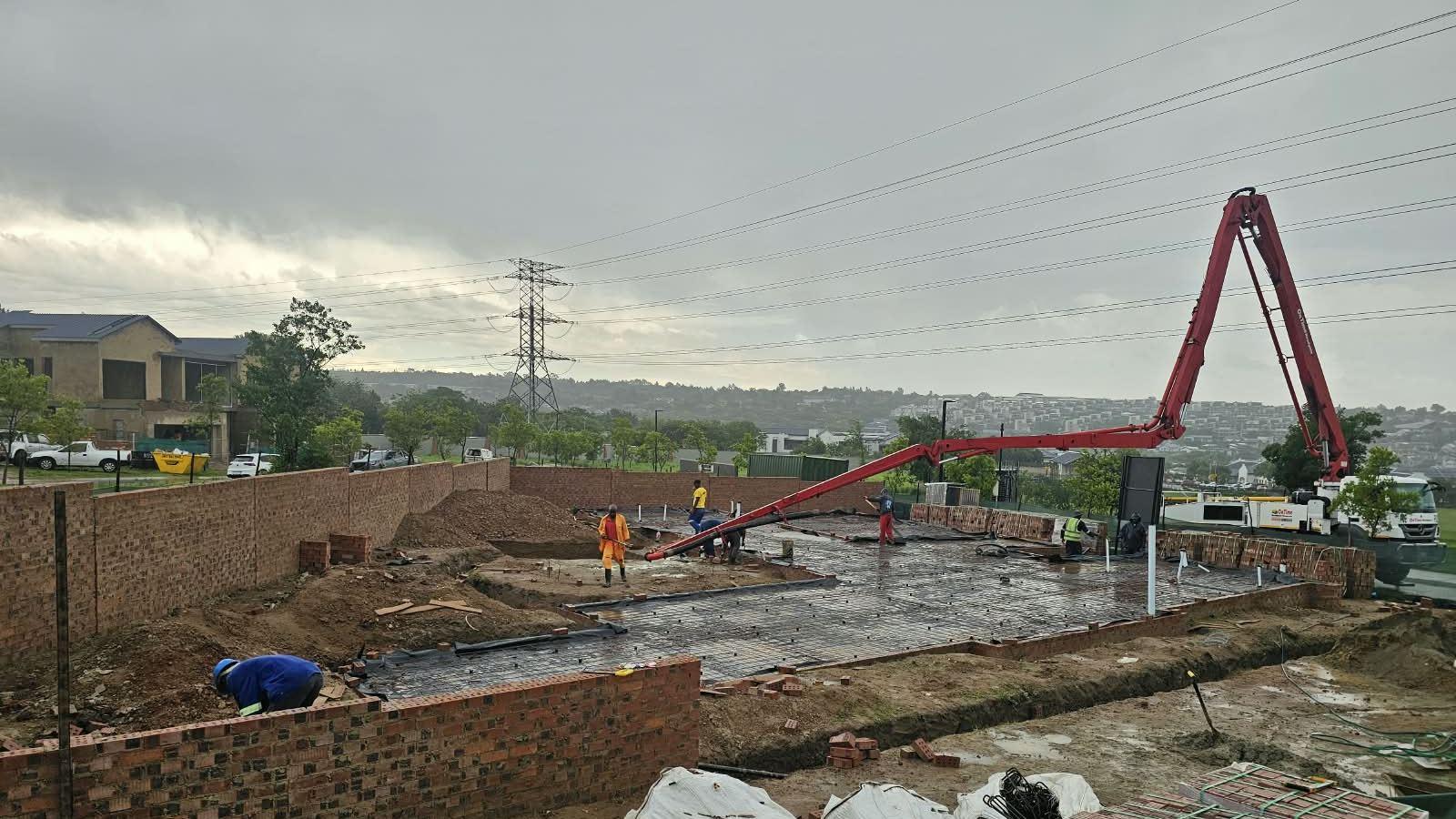
Concrete placement and material stock on site — expenditure accumulating faster than a paying party can observe it.
You do not need to suspect fraud to use CEAM. Independent verification is valuable wherever the paying party wants stronger evidence before releasing construction funds.
How to engage
The client provides the relevant payment certificate and supporting project information. OVL performs a risk-based documentary, commercial and physical verification and issues a CEAM Payment Assurance Report identifying supported expenditure and exceptions requiring resolution.
Payment certificate, claim and supporting project information.
Documentary, commercial and physical verification against the four questions.
Supported expenditure and exceptions requiring resolution, clearly separated.
Other engagement models
Experience
About the practice
OVL Consulting (Pty) Ltd is a Midrand-based assurance practice serving developers, funders, public bodies and institutions across South Africa. Construction Expenditure Assurance is our flagship offering: an independent, evidence-based view of whether selected construction expenditure is sufficiently supported before funds are released.
OVL discloses actual or potential conflicts of interest before accepting an assurance engagement, and receives no commissions, referral fees or financial benefit from contractors, subcontractors or suppliers whose expenditure it is engaged to verify.
CEAM does not replace the Quantity Surveyor, Project Manager, Engineer, Accountant or Auditor. It adds an independent expenditure-verification layer around the client's payment decision — which remains with the client and the authorised professional team.
Talk to OVL
Before your next construction payment is released, put an independent verification layer behind it. Start with one payment certificate.